Core Web Vitals & Performance
Max Potential First Input Delay: Why Long JavaScript Tasks Block User Interaction
By Robert Belkin, Founder & Lead Strategist
Published · Reviewed by Robert Belkin · 6 min read
Maximum Potential First Input Delay — or Max Potential FID — is a Lighthouse metric that estimates the worst-case delay a user could experience between clicking or tapping on your page and seeing the browser respond. It is not the average delay. It is the worst case, calculated from the longest single task running on the main thread during page load. And in most cases, that longest task is JavaScript.
Understanding First Input Delay
First Input Delay (FID) measured the delay between a user's first interaction with a page and when the browser began processing that event. It was replaced as a Core Web Vital by Interaction to Next Paint (INP) in March 2024. Max Potential FID is a Lighthouse lab estimate of the worst possible FID: it takes the duration of the longest task on the main thread and uses that as the upper bound on how delayed a response could be.
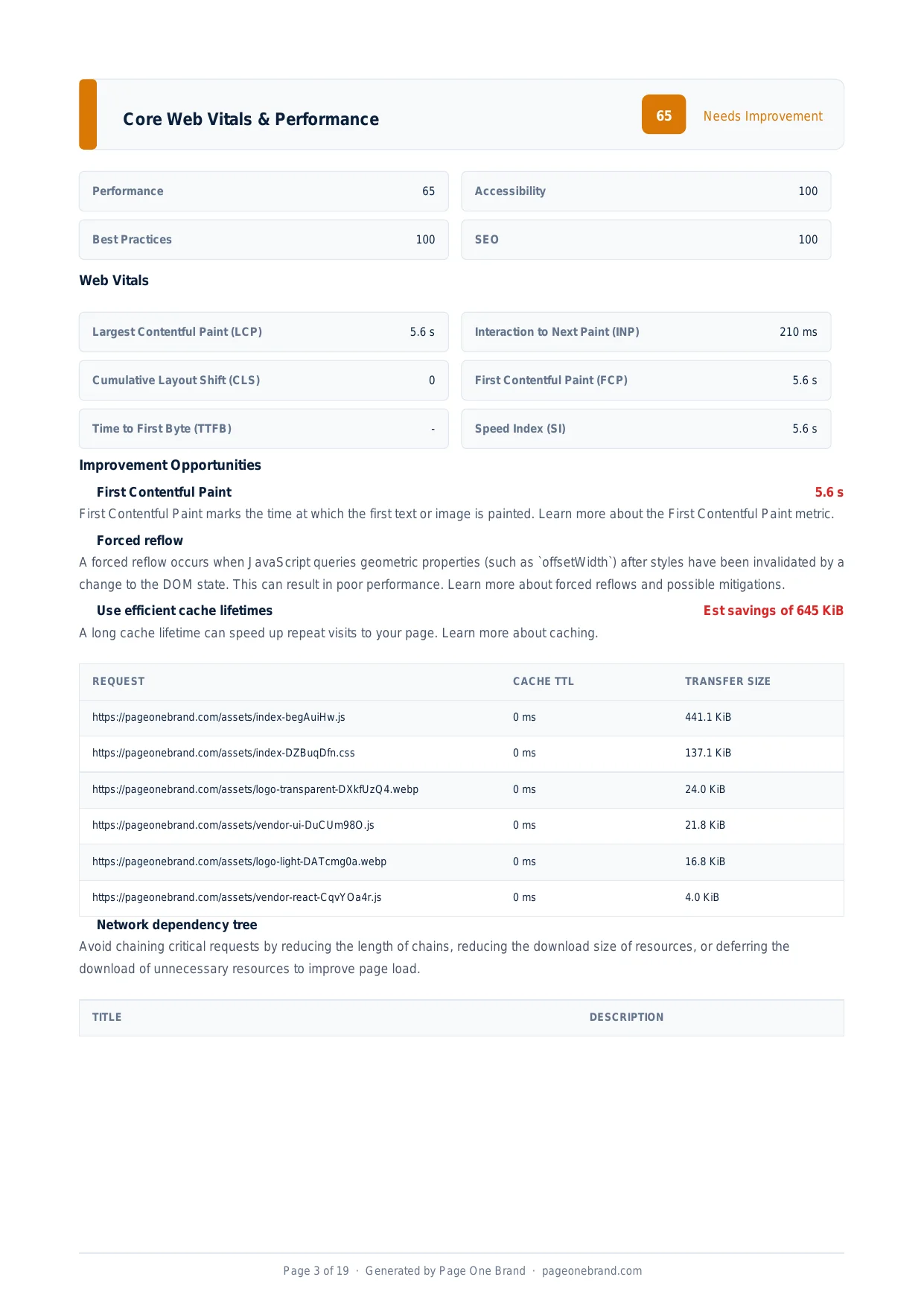
Lighthouse's threshold: good is below 130ms, needs improvement is 130 to 250ms, and poor is above 250ms. A Max Potential FID of 210ms indicates a long task of around 200ms that is blocking the main thread during load.
Max Potential FID reflects the longest task duration on the main thread during page load — the single most direct indicator of interaction readiness.
Why Long Tasks Cause Input Delays
The browser's main thread handles everything: parsing HTML, running JavaScript, calculating CSS, performing layout, painting, and processing user input. It can only do one of these things at a time. When a JavaScript function runs for 300ms, the main thread is occupied for the full 300ms. Any user input that arrives during those 300ms is queued and cannot be processed until the current task finishes.
Tasks over 50ms are classified as long tasks. Max Potential FID is the duration of the single longest task — if any one piece of your JavaScript takes 350ms to run, your Max Potential FID is 350ms.
What Creates Long Tasks
Large JavaScript bundles executing synchronously. When a 400 KiB JavaScript bundle is parsed and executed in one go, the parse-and-compile phase alone can take hundreds of milliseconds on a mid-range device. This is the most common cause of high Max Potential FID on modern framework-heavy sites.
Framework hydration. React, Vue, and Angular all perform a hydration step after the initial HTML is displayed. On large component trees, this can generate long tasks of 300 to 500ms.
Third-party scripts. Analytics, advertising, and chat functionality often execute large amounts of JavaScript during page load. Any that runs as a single synchronous block creates a long task.
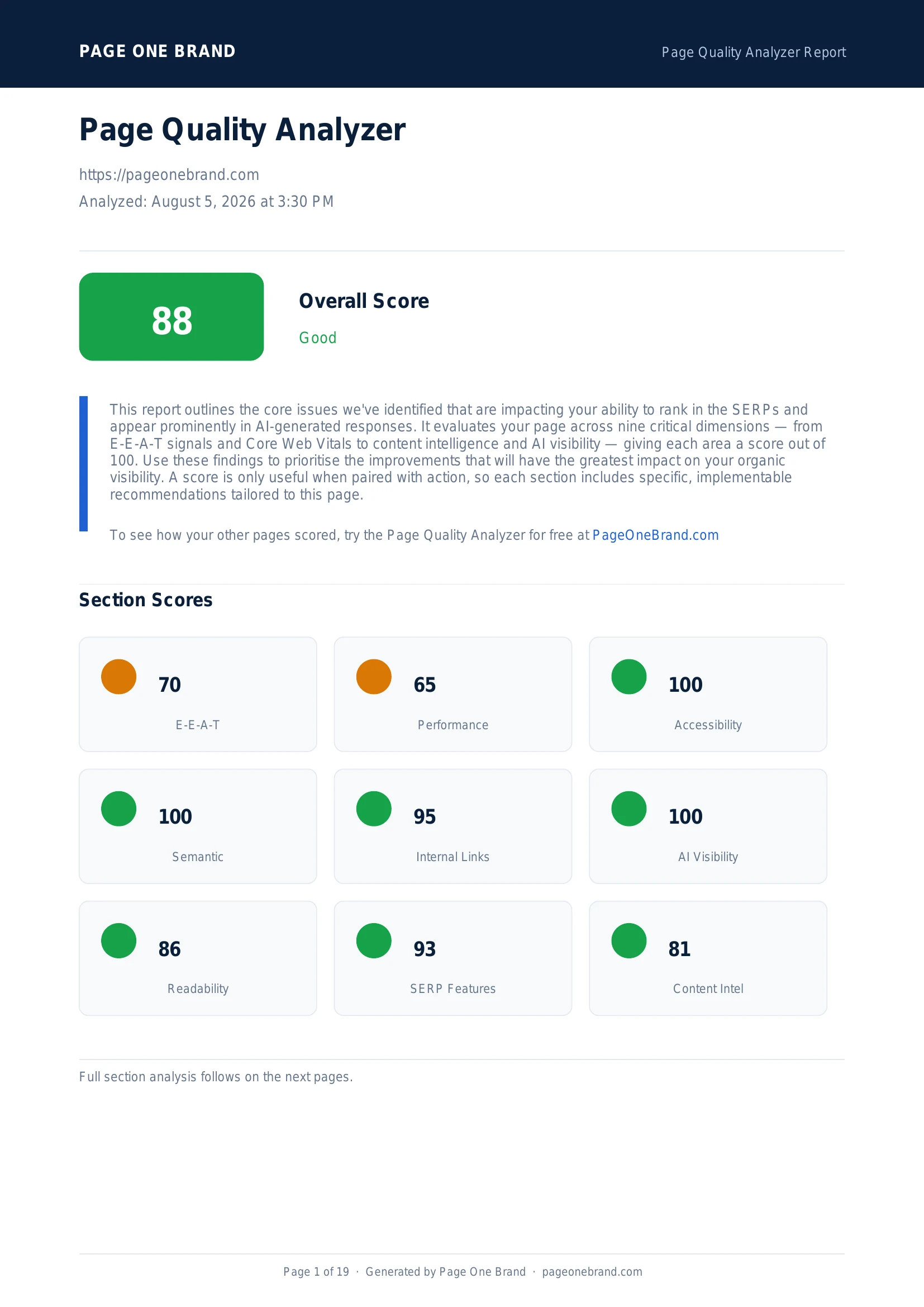 Long tasks that raise Max Potential FID also affect the overall Performance score and the Time to Interactive metric.
How to Reduce Max Potential FID
Break up long tasks. The most direct fix. Long synchronous functions can be split using setTimeout(fn, 0) or the newer scheduler.yield() API to yield control back to the browser between logical chunks. This allows the browser to process queued input events between chunks.
Route-level code splitting. Dynamic imports ensure only the JavaScript needed for the current page loads on initial navigation. Each route chunk is typically 10 to 30% of the full bundle size, proportionally reducing parse and execution time.
Load third-party scripts after interactivity. Defer non-essential third-party scripts until after the page has reached TTI. A chat widget that only 5% of users engage with on the first visit should not be in the critical path for 100% of users.
Max Potential FID is a diagnostic metric — it tells you the magnitude of the problem. INP in the field tells you whether real users are actually experiencing that delay. Both should be reviewed in the Performance section of your Page Quality Analyzer report.
Frequently Asked Questions About Max Potential First Input Delay
What is Max Potential First Input Delay and how is it different from INP?
Max Potential FID is a Lighthouse lab metric that estimates the worst-case delay a user could experience between interacting with the page and the browser responding. It is calculated from the duration of the single longest task on the main thread — if any task takes 350ms, your Max Potential FID is 350ms. Interaction to Next Paint (INP) is a field metric that measures the actual response latency of every user interaction during real sessions. Max Potential FID is a diagnostic signal; INP is what Google uses as a Core Web Vital. Improving Max Potential FID (by reducing long tasks) almost always improves INP.
Why do large JavaScript bundles cause input delays?
The browser's main thread handles everything: parsing HTML, running JavaScript, calculating layout, painting pixels, and processing user input — but only one task at a time. When JavaScript parses and executes a large bundle in a single synchronous block, the main thread is occupied for the full duration. Any user input that arrives while the main thread is busy is queued and cannot be processed until the current task finishes. Tasks over 50ms are classified as long tasks. The longer the task, the longer the potential delay between a user's click and the browser's response.
What is the Lighthouse threshold for Max Potential FID?
Lighthouse classifies Max Potential FID as good below 130ms, needs improvement between 130ms and 250ms, and poor above 250ms. A Max Potential FID of 210ms indicates a long task of around 200ms blocking the main thread during page load. Framework hydration is one of the most common sources of long tasks that drive this metric — React, Vue, and Angular hydration phases on large component trees can generate tasks of 300 to 500ms, placing Max Potential FID firmly in the poor range.
How do I reduce Max Potential FID?
Three targeted fixes address Max Potential FID most effectively. Breaking up long tasks using setTimeout or the scheduler.yield() API allows the browser to process queued input events between logical chunks of work. Route-level code splitting reduces initial bundle size so there is less JavaScript to parse and execute — smaller bundles mean shorter tasks. Loading third-party scripts after interactivity rather than during page load removes unnecessary blocking work from the critical path. All three changes reduce the duration of individual tasks on the main thread, which is the direct cause of input delays.
Editorial implementation brief · Performance
Treat Max Potential FID as a diagnostic, not a current field ranking metric
Lighthouse’s Max Potential FID is a historical lab diagnostic. INP is the current Core Web Vital for real interaction responsiveness, so use the former to find long tasks and the latter to validate user impact.
What to check, in order
- Inspect the longest main-thread task in a mobile trace and identify the script or component responsible.
- Split work into tasks under roughly 50 ms where possible; yield between chunks when the work is not urgent.
- Remove unused code, defer third-party scripts, and avoid doing expensive work in input handlers.
- Measure INP in field data and use the interaction trace to connect the field symptom to a code path.
- Document the browser, device, route, and interaction used for every before/after comparison.
Copy-paste example
function processInChunks(items, render) {
  let index = 0;
  function next() {
    const deadline = performance.now() + 8;
    while (index < items.length && performance.now() < deadline) {
      render(items[index++]);
    }
    if (index < items.length) setTimeout(next, 0);
  }
  next();
}
Evidence from our workflow
We report Max Potential FID only alongside the longest-task cause and an INP measurement when available. That avoids treating a deprecated lab label as a promise about how every real user experiences the page.
Primary sources
Editorial note: This guide was written by Robert Belkin, Founder & Lead Strategist at Page One Brand, and technically reviewed by Robert Belkin on August 25, 2026. See the author profile, scoring methodology, and contact page for supporting business and editorial information.